At WZID, we spend our days sharing music, news, and having conversations with you, but we know some of the most meaningful conversations happen when the mic is off. Life can get loud, and it’s not always easy to hear yourself through the noise.
May is Mental Health Awareness Month, and with one in five adults (National Alliance on Mental Illness) experiencing a mental health condition each year, it’s important to remember that behind every statistic is a neighbor, a friend, a coworker, and someone right here in our community. Whether you’re looking for local support, a quiet moment, or simply a reminder that it’s okay to not be okay, this space is for you. Together, let’s break the stigma and make room for honest, supportive conversations.
Resources:
Need immediate support?
- Call 988 – the Suicide & Crisis Lifeline (24/7, confidential).
- Call 211- The New Hampshire Crisis Service
- If you are in danger, please call 911.
- National Alliance on Mental Illness (NAMI): provides information, education and support to all families and communities affected by mental illness and suicide.
Counseling Centers:
Department of Health and Human Services: Find a counseling center near you.
The Doorway: Helps people access all levels of treatment

Mental Health Myths vs Facts:
- Myth: Mental health problems are a sign of weakness.
- Fact: Mental health challenges aren’t a sign of weakness. They can stem from many factors including genetics, life experiences, and emotional stress. Reaching out for support is an act of courage and a powerful step toward healing.
- Myth: Kids and teens can’t have mental health problems.
- Fact: Young people absolutely can experience anxiety, depression, and stress. Early support can make a lifelong difference.
- Myth: Therapy is only for people in crisis
- Fact: Therapy is a tool for anyone who wants to manage stress, build resilience, improve relationships, or grow personally.
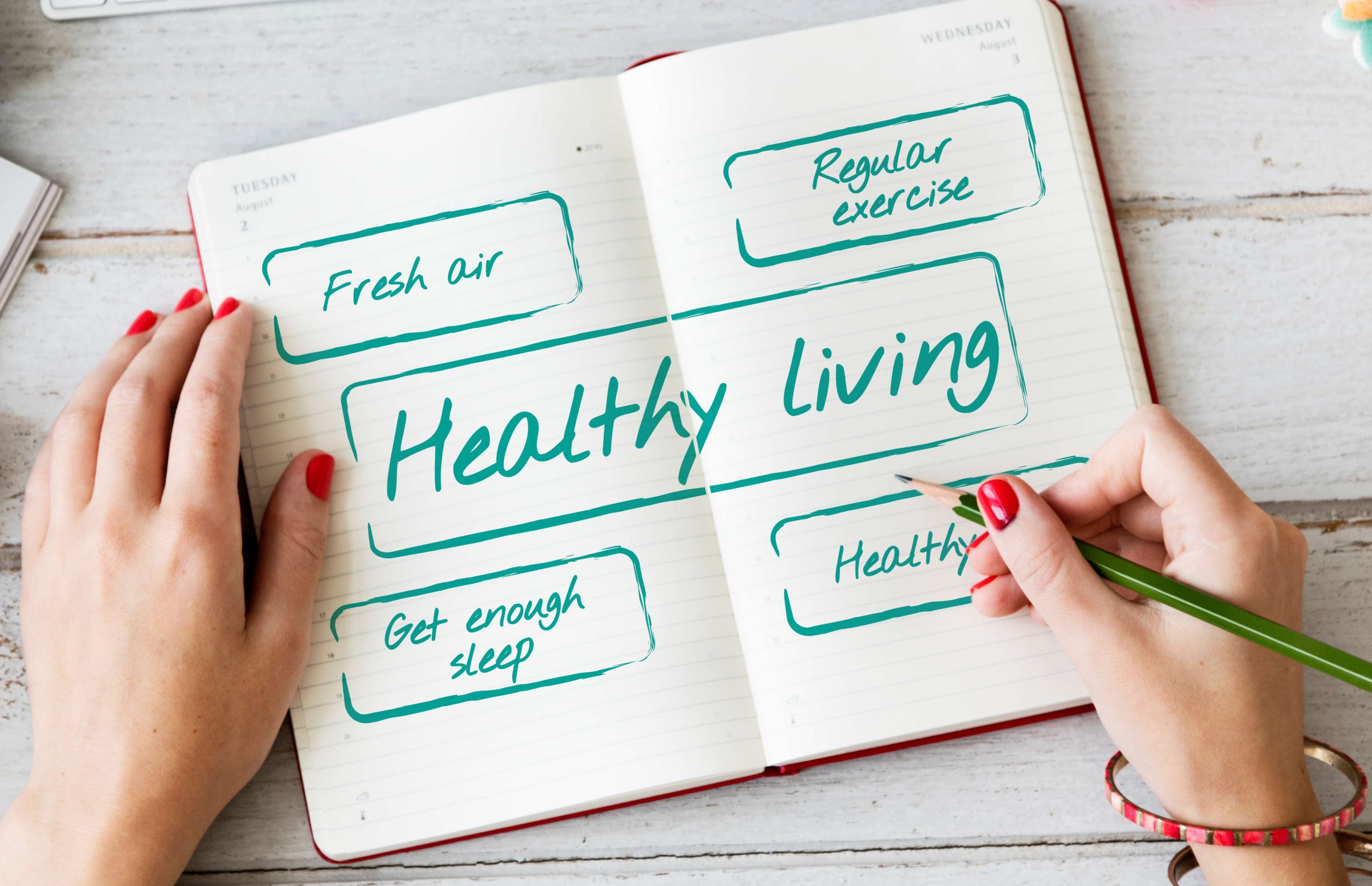
Self-Care Tips:
- Get Enough Sleep: Aim for 7-8 hours of quality sleep each night to support your overall health
- Journal Your Thoughts: Writing about your feelings can help you process emotions and gain clarity.
- Spend Time with Loved Ones: Make time for social interactions, whether through phone calls, video chats, or in-person gatherings.
- Take Breaks: Allow yourself to take breaks throughout the day to recharge, whether it’s a short walk or a few minutes of stretching.
- Establish Healthy Boundaries: Learn to say “no” when necessary to avoid overcommitting yourself. Setting boundaries helps protect your time and energy, and it can help you feel less overwhelmed.
Sources:
Mental Health By the Numbers | NAMI